







Secure Your World

From desktops to mobile, we've got you and your family totally covered.

Introducing our new updated internet security product line.
More secure and easier to use than ever.


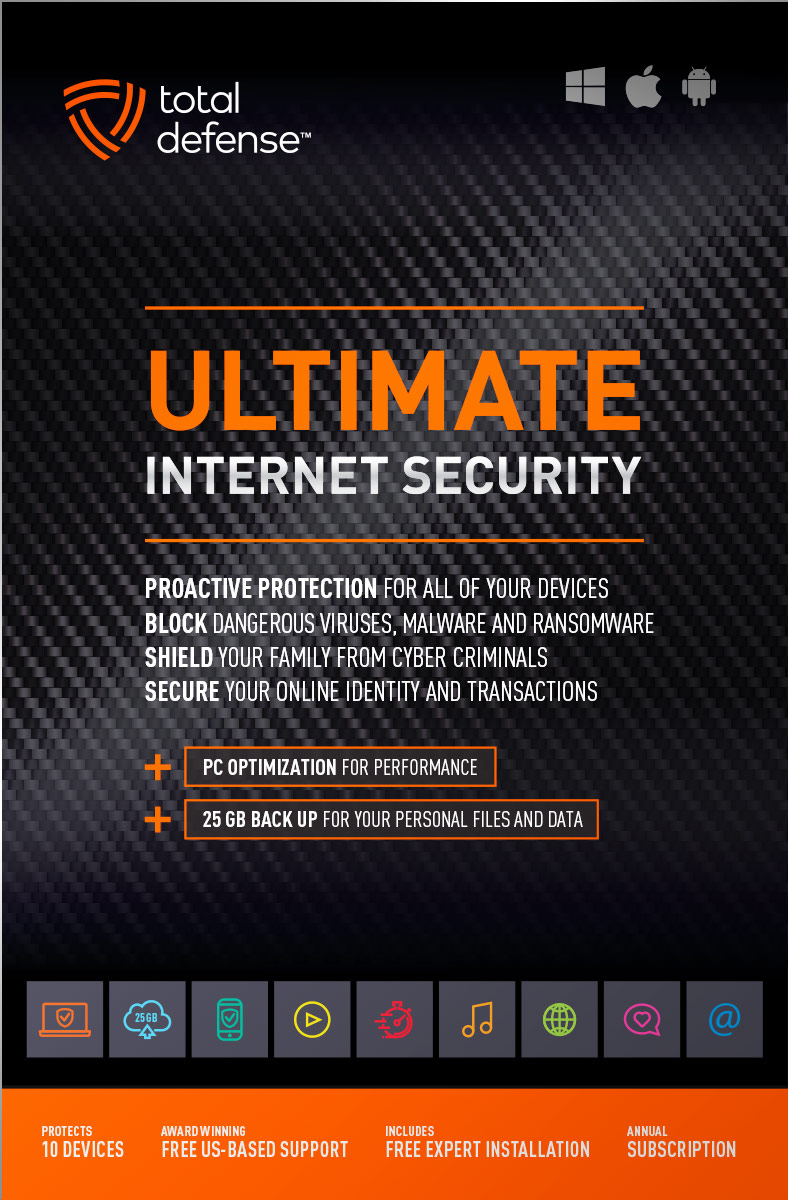
Ultimate Internet Security

High performance virus detection without slowing you down – on all your devices – while you bank, shop, and connect on social networks with total peace of mind.

  • Automatically detect and remove any threat, without negative impact on your speed
  • Keep your PCs running like new with smart PC optimization technology
Learn More »
original
4.9(42 Reviews)
$109.99
10 Devices
25GB Online Backup
Windows Mac Android

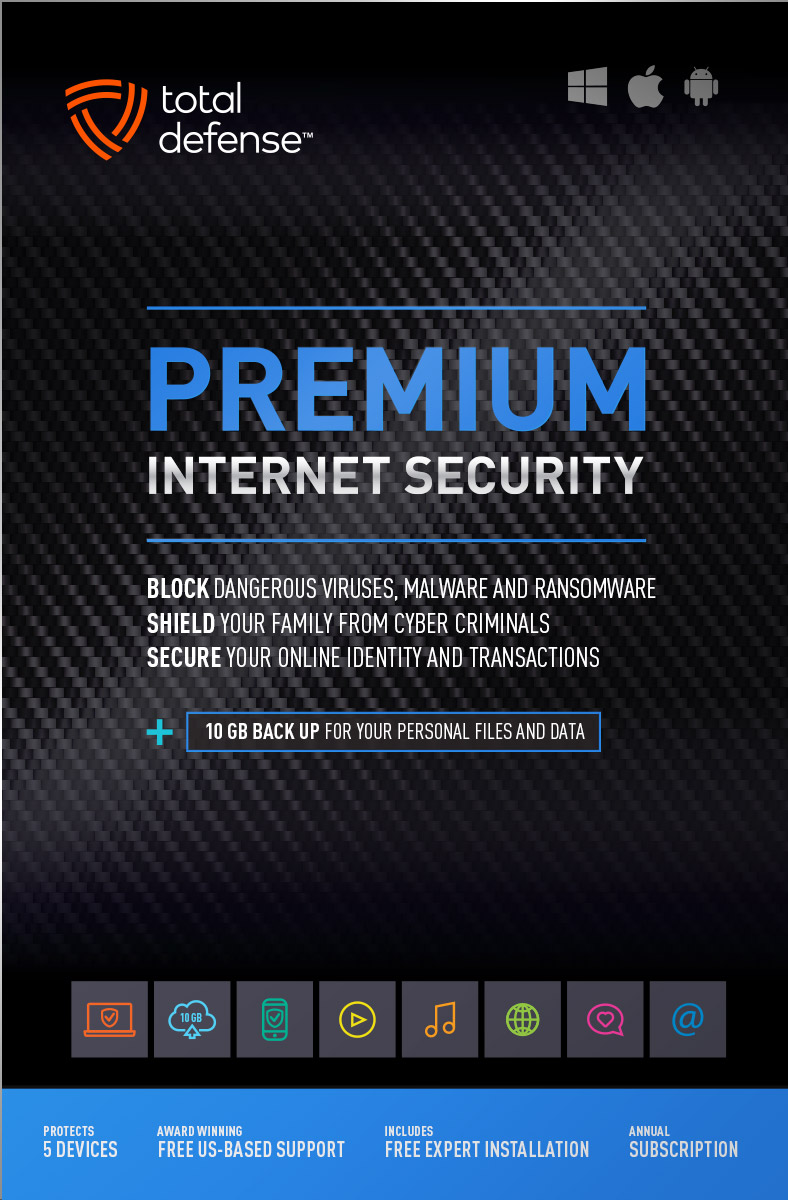
Premium Internet Security

Bestseller Internet Security

Our Bestseller! We’ve got you covered – total protection for the devices in your home – PCs, Macs, Smartphones & Tablets.

  • Shop, bank and explore your social network without worry
  • Protect your information from cyber criminals when you’re shopping and banking online
Learn More »
original
4.9(72 Reviews)
$69.99
$89.99
Save $20
5 Devices
10GB Online Backup
Windows Mac Android

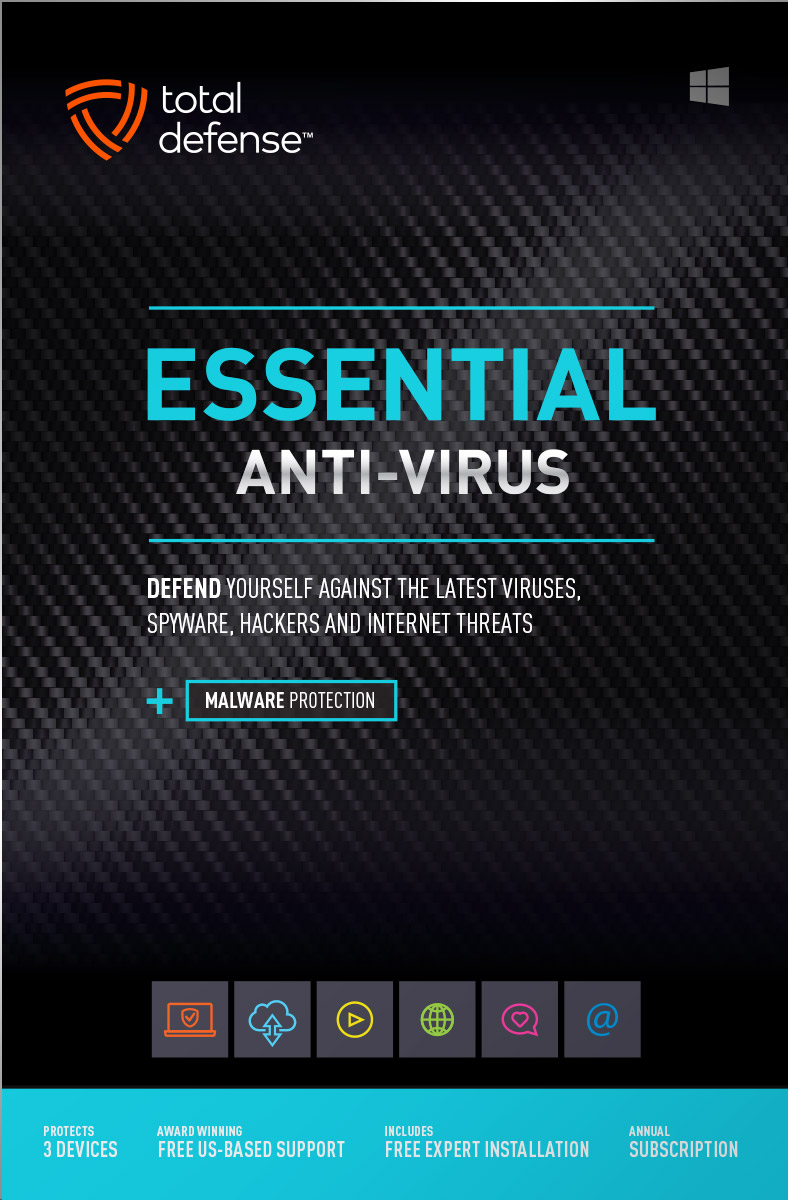
Essential Anti-Virus

Viruses constantly evolve, our Anti-Virus security ensures you’re totally covered with smart and powerful protection for your Windows desktops and laptops.

  • Keep your devices safe from malware, spyware, ransomware, and harmful viruses.
  • Free automatic updates; virus-free, hassle-free, and worry-free.
Learn More »
original
4.9(35 Reviews)
$39.99
$59.99
Save $20
3 Devices
Windows
Buy with Confidence
Free US-Based Support
Certified Secure Checkout
60 Day Money Back Guarantee

What works for you?

Use our selection tool to help you choose the internet security that’s right for you.

Compare

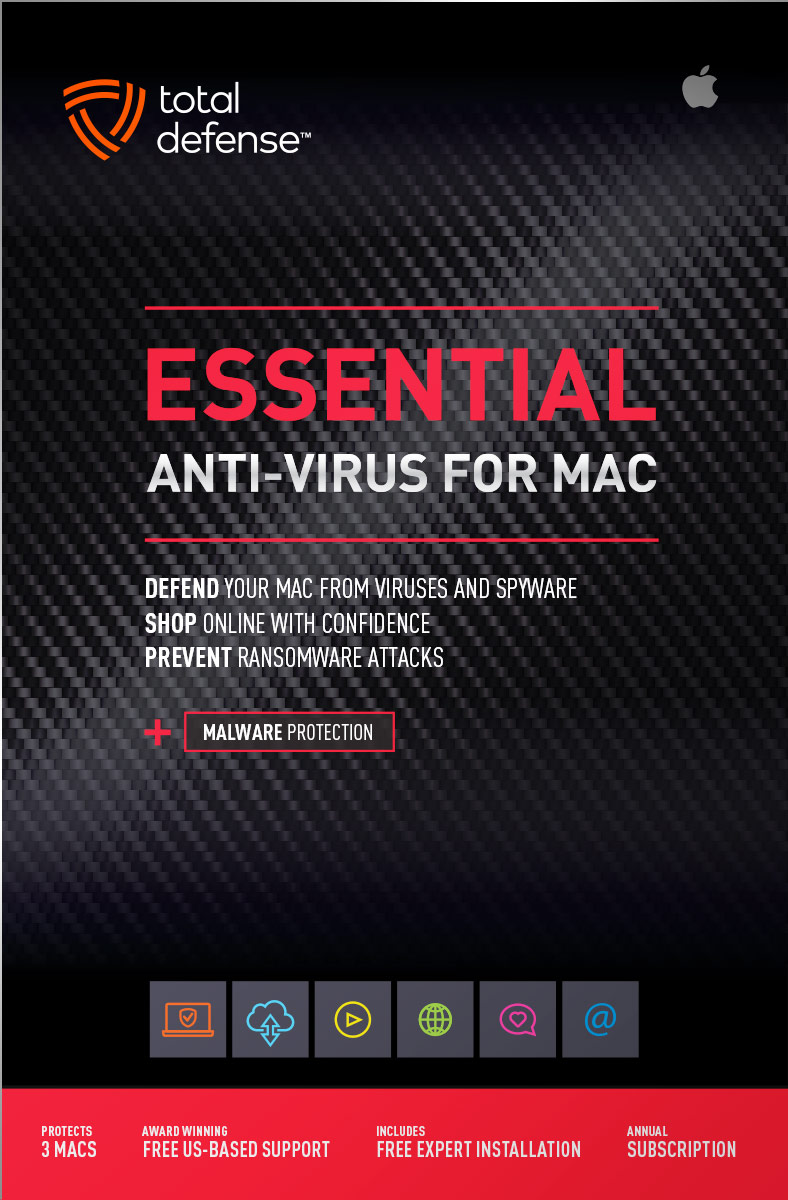
Anti-Virus for Mac

Total Defense 2019 version

Viruses constantly evolve, our Anti-Virus for Mac security ensures you’re totally covered with smart, and powerful protection. Give your Mac maximum protection without compromising speed and performance.

  • Advanced features keep your Mac safe from malware, spyware, ransomware, and harmful viruses so you can browse, shop, and bank with confidence.
  • Ultra fast malware scanning – and ironclad protection without slowing you down. So fast and discreet, you won’t even know it’s there, working to keep your Mac safe.
Learn More »
original
4.9(12 Reviews)
$39.99
$59.99
Save $20
3 Macs
Mac Anti-Virus

PC Tune-Up

Total Defense 2019 version

Automatically scan, fix, and update your PC – improving your Windows desktop or laptop’s speed – so you can enjoy faster startups, smoother browsing, and like-new performance.

  • Boost PC Performance – automatically improve PC startup time, Internet speed and program performance
  • Removes junk files, eliminates unnecessary programs, updates vulnerable applications, and reclaims more space on your PC.
Learn More »
original
4.9(16 Reviews)
$39.99
$49.99
Save $10
3 Devices
Windows

Mobile Security

Total Defense 2019 version

Comprehensive mobile protection for Android devices. Fend off malware, block intruders, lock or erase your data if you lose your phone.

  • Powerful virus & spyware detection and removal – virtually no battery impact
  • Remote lock & wipe for lost or stolen devices
  • Remote GPS location for lost or stolen phones
Learn More »
original
4.9(19 Reviews)
$19.99
1 Device
Android

System Requirements

Supported Operating Systems
  • Windows 11 (64-bit)
  • Windows 10 (32 & 64-bit)
  • Windows 8.1 (32 & 64-bit)
  • Macintosh OS X - 10.12 or later
Required for all Installations
  • 2 GB RAM
  • 1 GHz or faster processor
  • Internet Explorer 11 or Microsoft Edge
  • 1 GB of available hard disk space
  • 1024 x 768 or higher screen resolution
  • Internet access
Supported Browsers for Web Filtering
  • Internet Explorer 11
  • Microsoft Edge
  • Chrome v40.0 and higher
  • Firefox 35.0 and higher
For Smartphone & Tablet Security
  • Android 5.0 or higher
Usage
  • For personal and family use only. Not for business or commercial use.

Virus-free. Hassle-free. Worry-free.

Security designed for people, around people.
 
VB100 Certified
VB100 Certified

Our virus and malware protection is put through the toughest tests to ensure your are protected.

Learn More >

Free US Tech Support

Our friendly US-based team is standing by to assist with customer care & technical support.

Learn More >

Money Back Guarantee

If you're not completely satisfied, we'll refund your money within 60 days of purchase.

Learn More >

Money Back
Virus-Free Guarantee

We're so confident in our virus protection, we will remove it for free or give your money back.

Learn More >

Rated #1 anti-virus software company on Consumer​Affairs.com

We always strive to create the best customer service experience and our customers agree. Total customer satisfaction is our ultimate goal.
Read reviews from our customers>
Total Defense

Internet Security and Safety Center

Helpful tips and articles with practical steps you can follow to improve your online safety

Total Defense Security Tip of the Day

08.11.26

Double check who’s connecting with you before accepting social media requests

A new friend request or LinkedIn connection can feel like a networking win. Maybe the person claims to be a recruiter, a former coworker, a local professional, or someone who shares your interests. But before you accept, pause for a few seconds and verify that the account looks real.

Cybercriminals use fake social media profiles to build trust, send malicious links, skim personal information, spread scams, and target job seekers. The safer move is simple: inspect the profile before you connect.

Why should you verify friend requests and LinkedIn connections?

Fake accounts work because people trust social proof. If a profile has a polished photo, a real company name, mutual connections, and a friendly message, the request may look safe. Scammers know this and often copy real branding, use AI-generated profile photos, or impersonate recruiters and professionals.

According to the FTC’s 2024 scam roundup, people reported losing money more often when contacted through social media, and social media scams caused $1.9 billion in reported losses that year. That makes every unexpected request worth a closer look.

How do fake social media accounts steal information?

Fake profiles often start slowly. A scammer may connect first, like a few posts, send a casual message, and then introduce a link, file, job opportunity, investment tip, giveaway, or “urgent” request.

Fake accounts may try to:

  • Send phishing links
  • Promote fake job offers
  • Steal your resume or personal details
  • Harvest your workplace, location, and contacts
  • Send malware through attachments
  • Impersonate a recruiter or employer
  • Build credibility through mutual connections
  • Move the conversation to text, WhatsApp, Telegram, or email
  • Push crypto, investment, romance, or shopping scams

The FTC’s 2026 social media scam data explains that scammers may hack accounts, exploit what users post to target victims, or use ads and platform tools to reach people by age, interests, and habits.

Why are job seekers especially at risk?

Job seekers often expect messages from strangers. That makes fake recruiter accounts more believable. A scammer may claim to represent a well-known company, offer a remote role, ask for your resume, request identity documents, or send a fake onboarding link.

The FTC’s 2024 scam roundup reported that job scams and fake employment agency losses grew from $90 million in 2020 to $501 million in 2024, which shows how aggressively scammers target people looking for work.

If you are job hunting, treat every new connection as a lead to verify, not a person to trust automatically.

How does this help someone become safer online?

Double checking connection requests helps someone become safer online by reducing exposure to phishing, malware, identity theft, and social engineering. When you verify who is connecting with you, you protect more than your social feed. You protect your inbox, your job search, your personal information, and your professional reputation.

This habit helps you:

  • Keep scammers out of your network
  • Reduce malicious links in your messages
  • Limit who can view your personal details
  • Avoid fake recruiter traps
  • Protect your contacts from impersonation scams
  • Stop criminals from using your profile to build trust with others

The security mindset is simple: a connection request is access. Treat it like one.

How to spot a fake friend request or LinkedIn connection

Before accepting, check for these warning signs:

  • The profile was created recently
  • The profile has very few posts or interactions
  • The photo looks overly polished or generic
  • The job title sounds vague or inflated
  • The person has few credible connections
  • The profile uses copied company branding
  • The message is generic or overly flattering
  • The person pushes a link immediately
  • The person asks to move off-platform quickly
  • The offer sounds too good to be true
  • The profile has inconsistent work history or location details

The FTC warns that social media gives scammers low-cost access to billions of people and makes targeting easier, which is why suspicious outreach deserves extra caution.

What should you do before accepting a request?

Use this quick verification checklist:

  1. Review the full profile
    Look for real activity, consistent details, and a believable history.
  2. Check mutual connections carefully
    Mutual connections do not prove the person is real. Scammers connect widely to look legitimate.
  3. Search the person outside the platform
    Look for a company bio, portfolio, or matching professional footprint.
  4. Verify recruiters through the company website
    If someone claims to recruit for a company, check whether the person uses a company email domain.
  5. Avoid clicking first-message links
    Do not click links or download files from new connections.
  6. Limit visible personal information
    Hide your phone number, birthdate, personal email, and home address from public profiles.
  7. Decline, report, and block suspicious accounts
    If the account feels off, do not engage. Report the profile and block it.

What should you do if you already accepted a fake account?

If you accepted a suspicious request:

  • Remove the connection
  • Block and report the account
  • Do not click any links the account sent
  • Delete suspicious messages
  • Review your profile privacy settings
  • Change passwords if you shared login information
  • Turn on multifactor authentication
  • Warn mutual contacts if the account was spreading scams

Accepting a fake connection can invite phishing, scams, malware, and identity theft into your digital life. Slow down, verify the profile, and decline anything suspicious.


Talk to your child about in-game currency before the next accidental purchase

Online games make it easy for kids to play, compete, customize characters, and unlock new items. Many games also make it very easy to spend real money through premium currency, battle passes, loot boxes, skins, upgrades, and limited-time offers. Before your child starts a new game, have one simple conversation: some game money is pretend, […]
Read More»

Questions? Our friendly award winning US-based support team is happy to help and it's free.

1-877-906-8816 Weekdays 9am – 5pm, Eastern Time USA

Customer Service Team of the Year - Cyber Security Excellence 2022 Globee Award Gold Customer Service Department of the Year - 2022 Stevie Awards Bronze