Announcing our new 2026 internet security product line.
More secure and easier to use than ever.
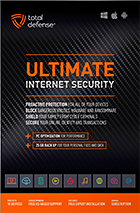
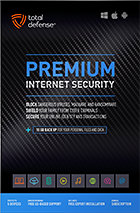
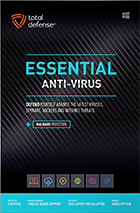
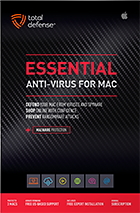
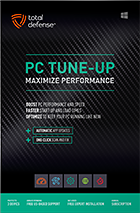
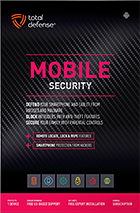

Try our Best Antivirus Protection Free for 30 Days
Free Trial DownloadStart your Free 30 day, no credit card needed, no hassle trial today.
Secure your digital life.
Total Defense makes internet security easy for you and tough on destructive malware. We don’t just protect devices, we protect people.
Our software works hard so you don’t have to—no complex questions or specialized knowledge required.
Virus-free. Hassle-free. Worry-free.
Security designed for people, around people.

VB100 Certified
Our virus and malware protection is put through the toughest tests to ensure your are protected.
Learn More >
Free US Tech Support
Our friendly US-based team is standing by to assist with customer care & technical support.
Learn More >

Money Back Guarantee
If you’re not completely satisfied, we’ll refund your money within 60 days of purchase.
Learn More >
Virus-Free Guarantee
We’re so confident in our virus protection, we will remove it for free or give your money back.
Learn More >
Total customer satisfaction is our ultimate goal
Don’t take our word for it…
“I love the feeling of trust I have, knowing that my PC, laptop, tablet, and phone are all "totally defended" from the potential harm that is out there in the cyber world. ”
- Leslie K.

“Lightweight and easy! This works great. It was easy to set up and activate. The best part is my computer hasn't slowed down a bit.”
- Jerry C.
“Good product at a good price What's good is it covers tablets, PCs, phones. Also has online backups and mobile security features too, so plenty of value for money. Works well and gets the job done! ”
- Nakul D.
“A great Internet security suite for PC users, great parental controls, well-integrated online backup "set it and forget it," good antivirus performance, low cost, can use on multiple devices.”
- Isadora L.
“Easy installation, did not slow down the computer and scanning was super fast. Feel better having protection from all the new ransomware and viruses going around.”
- Wayne F.
Protection for all the devices in your home
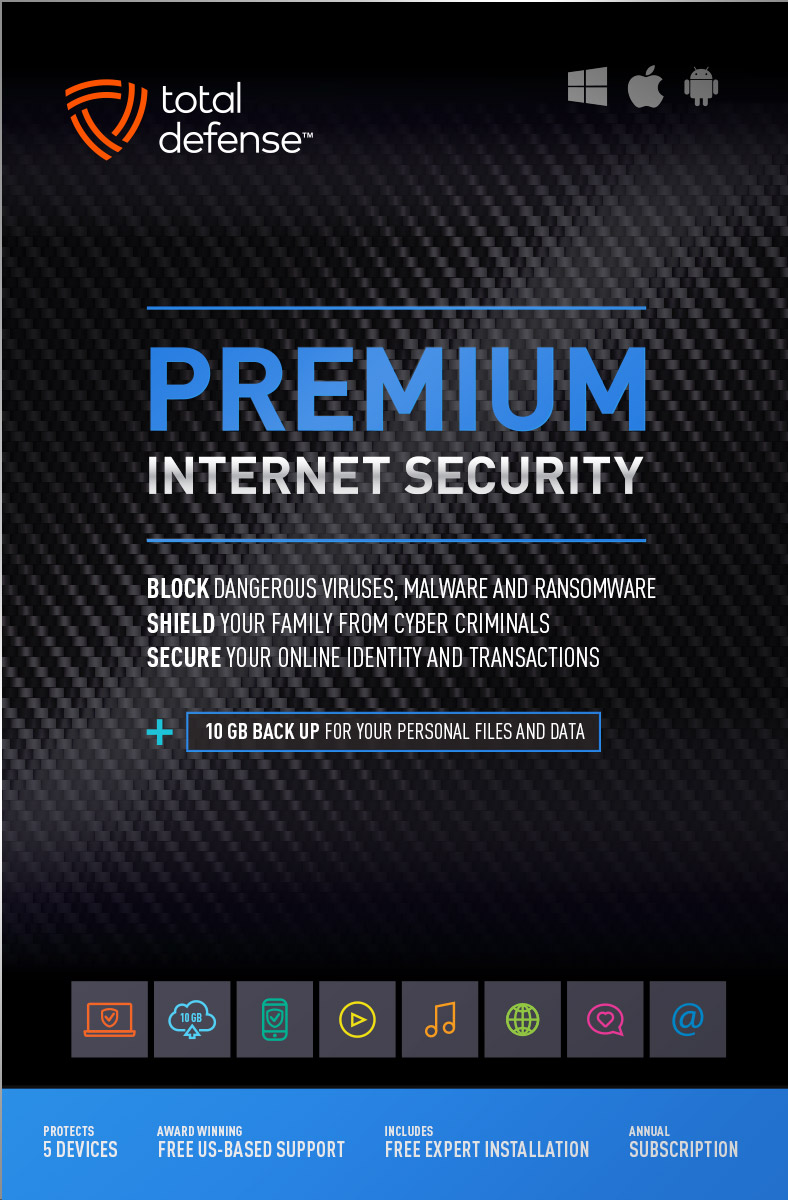
Total Defense
Premium Internet Security

Premium Internet Security provides simple, smart, and reliable protection from viruses, spyware, and malware on up to 5 of your smartphones, tablets, desktops, and laptops.
- Shop, bank and explore your social network without worry
- Protect your information from cyber criminals when you’re shopping and banking online


Our other popular internet security software choices, to keep you and your devices safe.
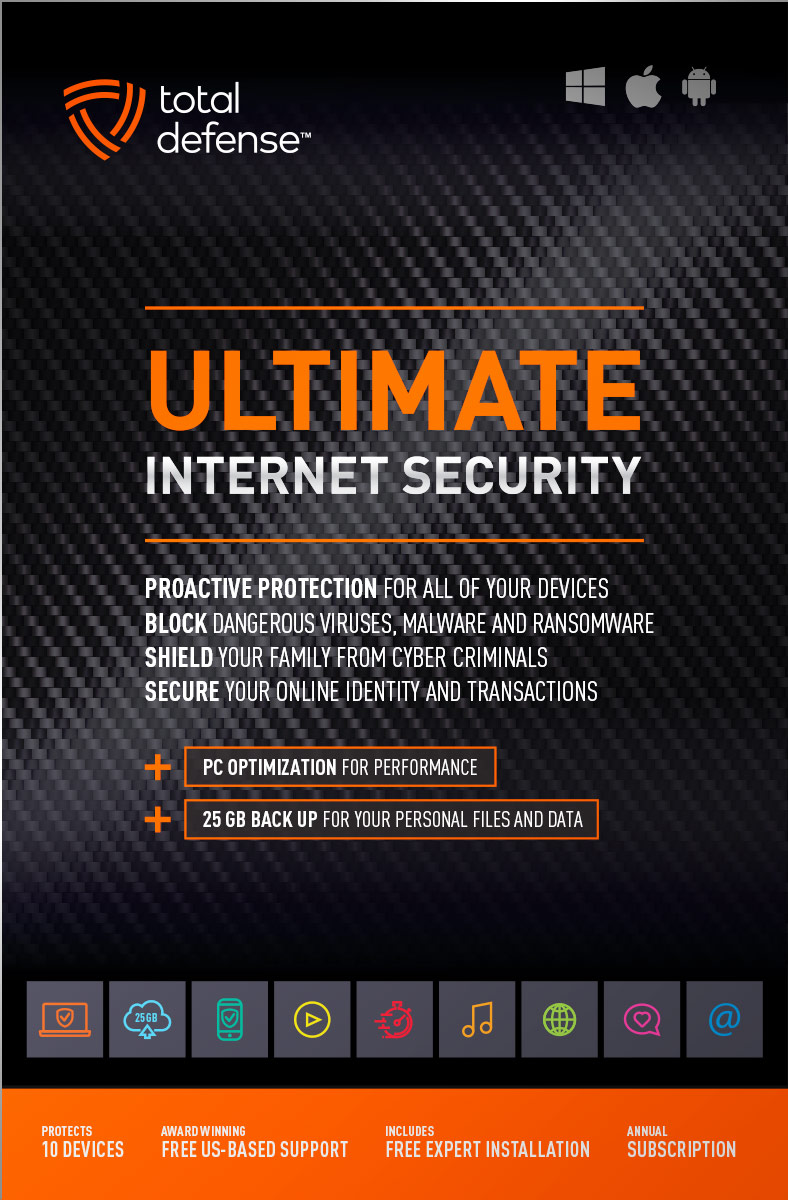
Ultimate Internet Security
Protect everyone on every device in your home - Ultimate is an easy-to-use, all-in-one Internet Security suite that protects you, your family, and up to 10 of your devices from harmful viruses and the latest online threats.
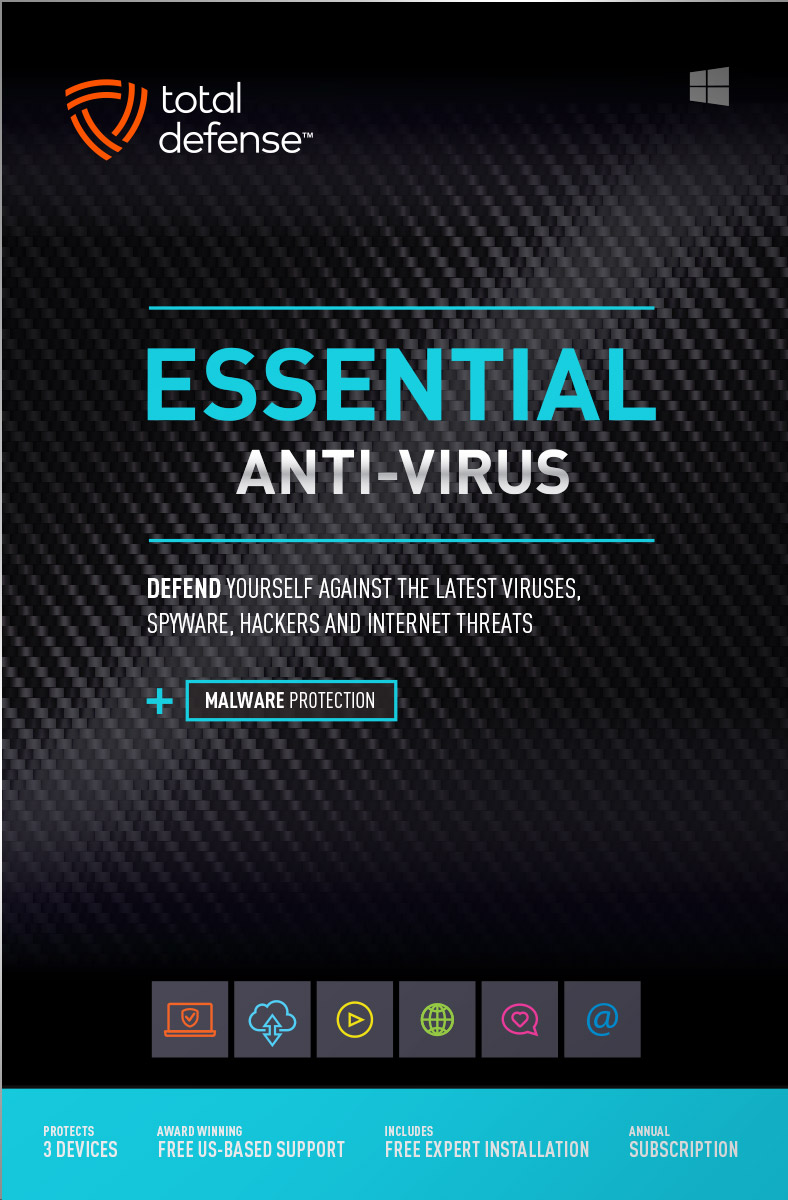
Essential Anti-Virus
Anti-Virus security ensures you’re totally covered keeping your devices safe from malware, spyware, ransomware, and harmful viruses.
Award winning internet security software
Powerful virus detection that doesn’t slow you down.
Learn more about our highly rated malware protection or get started today with a free 30-day trial of Total Defense Internet Security, with no obligation to buy.
Free Trial Download
AV Comparatives Advanced Plus

AV Comparatives Advanced Plus

VB100 Certified

AV Comparatives Advanced Plus
OPSWAT Certified

AV Comparatives Advanced Plus
We will keep you virus-free guaranteed
An exclusive automatic renewal service benefit.
When you choose Total Defense, you’re safeguarded with award-winning, multi-layered virus protection technology. Our powerful security lets you confidently shop, bank and browse online. In fact, we’re so certain we can protect you, if you’re running a Total Defense Security Product and a virus slips past our powerful protection, our expert technology advisors will remove the virus from your device for free. In the unlikely event the virus can’t be removed, we will give you your money back.
»Important terms and offer detailsWe’ve Got You Covered
Over 20 years of Dedication
We are committed to your cybersecurity, from installing the software effectively to helping recovery in the event of a breach.
Advanced Threat Protection
A good offense is the best defense! Real-time and on-demand malware scanning engines provide powerful proactive protection.
Award Winning Security
Powerful protection, securing all entry points, wherever you are, whatever type of device you’re using to access the internet.
Customer Commitment
Our US-based support team is focused on keeping you and your family safe in the ever changing connected world.
Why Total Defense Internet Security >Defend the Defenseless
Total Defense has been a proud supporter of the National Center for Missing & Exploited Children for over 15 years.
Total defense has supported NCMEC in it’s mission to help find missing children, reduce child sexual exploitation and prevent child victimization. We provide quarterly monitary support for NCMEC’s efforts to provide important programs that assist missing and exploited children nationwide.
To learn more about NCMEC, visit www.missingkids.org or see NCMEC on Twitter and Facebook.

Rated #1 anti-virus software company on ConsumerAffairs.com
Over 2,000 customer reviews
We always strive to create the best customer service experience and our customers agree. Total customer satisfaction is our ultimate goal.
Read reviews from our customers>
Total Defense
Internet Security and Safety Center
Helpful tips and articles with practical steps you can follow to improve your online safety
Total Defense Security Tip of the Day
10.27.26
How to lock your phone and protect your data if it is lost or stolen
Your phone is more than a communication tool. It may hold email, photos, banking apps, saved passwords, work files and the text messages used to verify your identity. Leaving it unlocked for even a few minutes can give another person enough time to read private messages, reset an account or copy sensitive information.
A strong screen lock creates a practical barrier between a missing phone and the digital life inside it. It cannot prevent theft, but it can buy you time to locate the device, lock it remotely and protect connected accounts.
Why should you lock your mobile device?
Mobile devices attract criminals because they combine personal data, authentication tools and financial access in one portable place. CISA estimates that the United States has 294 million smartphone users, making phones a large and valuable target for cybercriminals.
A lock screen helps prevent someone with physical possession of your phone from immediately opening your email, viewing one-time codes, using payment apps or impersonating you in messages. The FTC recommends setting a phone to lock when it is not in use and choosing at least a six-digit passcode.
What is the safest way to lock a phone?
Use a strong passcode as the foundation, then add fingerprint or facial recognition for convenience. Biometrics do not replace the passcode; the phone will still require it after a restart, after certain security events or when biometric recognition fails.
- Choose six digits or more: A longer PIN creates more possible combinations than a four-digit code.
- Avoid personal numbers: Do not use a birthday, address, phone-number fragment, repeating digits or a simple sequence.
- Use a password when appropriate: An alphanumeric password can provide stronger protection for a device holding highly sensitive information.
- Keep the code private: Shield the screen in public and do not share the passcode casually.
- Register biometrics carefully: Add only your own face or fingerprints and review stored biometric entries.
The NSA recommends a strong lock-screen PIN or password and an automatic lock after five minutes. For everyday use, a shorter timeout—such as 30 seconds or one minute—reduces the opportunity created when you set the phone down and walk away.
How do you set up automatic screen locking?
- Open security settings. On iPhone, look under Face ID & Passcode or Touch ID & Passcode. On Android, look for Security, Security & privacy or Lock screen.
- Create a strong passcode. Choose at least six digits, or use a longer numeric or alphanumeric option.
- Add biometrics. Enroll Face ID, face unlock or fingerprints in a private place where no one can observe your code.
- Shorten the lock timeout. Set the device to lock automatically after a brief period of inactivity.
- Require authentication immediately. Avoid settings that leave a grace period after the screen turns off.
- Test the lock. Turn off the screen, wake the device and confirm that authentication is required.
Should you hide notifications on the lock screen?
Yes, especially for email, messaging, banking and authentication apps. A locked phone can still reveal private information if full message previews appear on the screen. Change notification settings so sensitive content appears only after you unlock the device. Also disable lock-screen access to features you do not need, such as replying to messages, opening a digital wallet or using a voice assistant.
Which theft-protection features should you turn on?
Configure recovery tools before the phone disappears. They cannot help if they were never enabled.
- Find My or Find Hub: Confirm that you can locate, mark lost, lock or erase the phone remotely.
- Account recovery: Keep a trusted phone number, recovery email and backup codes current.
- Automatic backups: Protect photos, contacts and other important data so you can erase a missing phone without losing everything.
- SIM protection: Add a carrier account PIN and a SIM PIN where supported.
- Theft-specific controls: Enable features that strengthen authentication or lock the screen after suspicious activity.
On supported iPhones, Apple’s Stolen Device Protection requires biometric authentication for certain sensitive actions and can impose a security delay on critical account changes. On supported Android phones, Google offers Theft Detection Lock, Offline Device Lock, Failed Authentication Lock and Remote Lock.
What should you do if your phone is lost or stolen?
- Use the official device-finding service. Mark the phone as lost and lock it remotely from a trusted device.
- Contact your carrier. Suspend service and report the device stolen so the carrier can protect the mobile account.
- Secure your primary email. Change its password if the phone was unlocked or you suspect account access.
- Review financial and cloud accounts. Sign out unknown sessions, watch alerts and contact providers through official channels.
- Erase only when necessary. If recovery appears unlikely or sensitive data is at risk, use the official remote-erasure feature.
- Report the theft. Contact local law enforcement and preserve the serial number or device identifier for the report.
Locking your phone reduces the chance that a moment of distraction becomes identity theft, financial fraud or an account takeover. A strong passcode slows unauthorized access, hidden previews protect private conversations and remote controls give you a response plan when the device leaves your hands.
Take five minutes today: strengthen your passcode, shorten the automatic-lock timer, hide sensitive notifications and test your remote-find feature. The best time to protect a missing phone is while it is still safely in your hand.

How to protect your devices, passwords, and online accounts while traveling
Questions? Our friendly award winning US-based support team is happy to help and it’s free.
1-877-906-8816 Weekdays 9am – 5pm, Eastern Time USA


60 Day Money Back Guarantee

Money Back Guarantee Program
Total Defense is committed to helping you with your refund. If our product does not meet your expectations for any reason, we will provide a full refund within 60 days of your purchase.
Virus Protection Assurance Program
Virus Protection Assurance Program
An exclusive benefit for customers enrolled in the Automatic Renewal Service.
When you choose Total Defense, you’re safeguarded with award-winning, multi-layered virus protection technology. Our powerful security lets you confidently shop, bank and browse online. In fact, we’re so certain we can protect you, if you’re running a Total Defense Security Product and a virus slips past our powerful protection, our expert technology advisors will remove the virus from your device for free. In the unlikely event the virus can’t be removed, we will give you your money back.
»Important terms and offer detailsFree US-Based Support Team

Need Assistance?
US-Based Support • Weekdays 9am – 5pm, Eastern Time USA
Technical Support
Call 1-866-305-7989
or Email
Free technical support includes:
- Download and installation
- Activation and configuration
- Removal of conflicting AV software
- Updates and upgrades
Customer Care
Call 1-877-906-8816
or Email
Customer care assists with:
- Sales and orders
- Account information
- Renewals
- Refunds
- Rebates
- Billing Inquiries
The VB100 Award
VB100 Certification
The VB100 award is a certification of products which meet the basic standards required to be recognized as legitimate and properly functioning anti-malware solutions.
To display a VB100 logo, a product must:- Prove it can detect 100% of malware samples listed as ‘In the Wild’ by the WildList Organization
- Generate no false positives when scanning an extensive test set of clean samples.
- All this must be done with default, out-of-the-box settings in the VB lab environment.