Announcing our new 2026 internet security product line.
More secure and easier to use than ever.
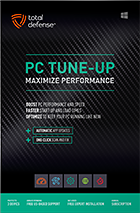
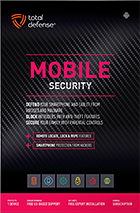

Try our Best Antivirus Protection Free for 30 Days
Free Trial DownloadStart your Free 30 day, no credit card needed, no hassle trial today.
Secure your digital life.
Total Defense makes internet security easy for you and tough on destructive malware. We don’t just protect devices, we protect people.
Our software works hard so you don’t have to—no complex questions or specialized knowledge required.
Virus-free. Hassle-free. Worry-free.
Security designed for people, around people.
VB100 Certified
Our virus and malware protection is put through the toughest tests to ensure your are protected.
Learn More >
Free US Tech Support
Our friendly US-based team is standing by to assist with customer care & technical support.
Learn More >

Money Back Guarantee
If you’re not completely satisfied, we’ll refund your money within 60 days of purchase.
Learn More >

Virus-Free Guarantee
We’re so confident in our virus protection, we will remove it for free or give your money back.
Learn More >
Total customer satisfaction is our ultimate goal
Don’t take our word for it…
“I love the feeling of trust I have, knowing that my PC, laptop, tablet, and phone are all "totally defended" from the potential harm that is out there in the cyber world. ”
- Leslie K.

“Lightweight and easy! This works great. It was easy to set up and activate. The best part is my computer hasn't slowed down a bit.”
- Jerry C.
“Good product at a good price What's good is it covers tablets, PCs, phones. Also has online backups and mobile security features too, so plenty of value for money. Works well and gets the job done! ”
- Nakul D.
“A great Internet security suite for PC users, great parental controls, well-integrated online backup "set it and forget it," good antivirus performance, low cost, can use on multiple devices.”
- Isadora L.
“Easy installation, did not slow down the computer and scanning was super fast. Feel better having protection from all the new ransomware and viruses going around.”
- Wayne F.
Protection for all the devices in your home
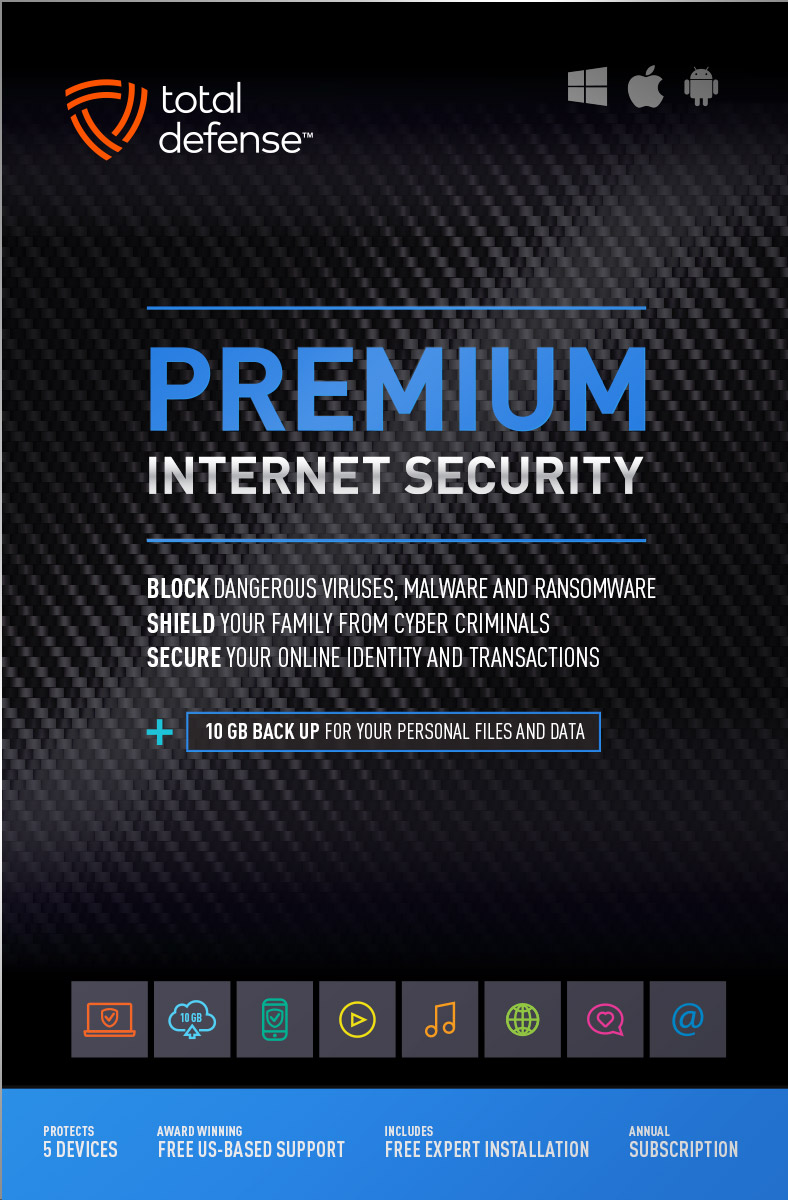
Total Defense
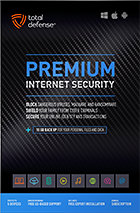
Premium Internet Security

Premium Internet Security provides simple, smart, and reliable protection from viruses, spyware, and malware on up to 5 of your smartphones, tablets, desktops, and laptops.
- Shop, bank and explore your social network without worry
- Protect your information from cyber criminals when you’re shopping and banking online


Our other popular internet security software choices, to keep you and your devices safe.
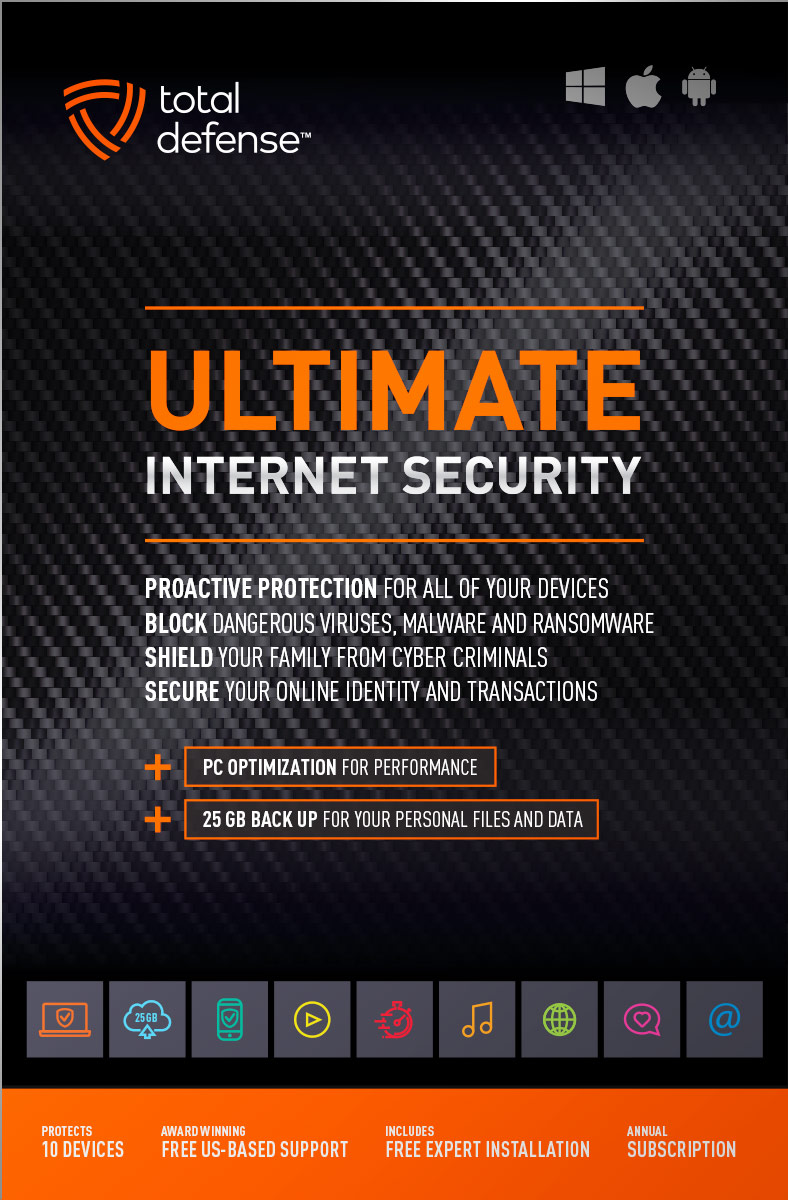
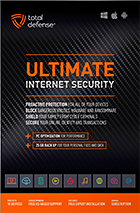
Ultimate Internet Security
Protect everyone on every device in your home - Ultimate is an easy-to-use, all-in-one Internet Security suite that protects you, your family, and up to 10 of your devices from harmful viruses and the latest online threats.
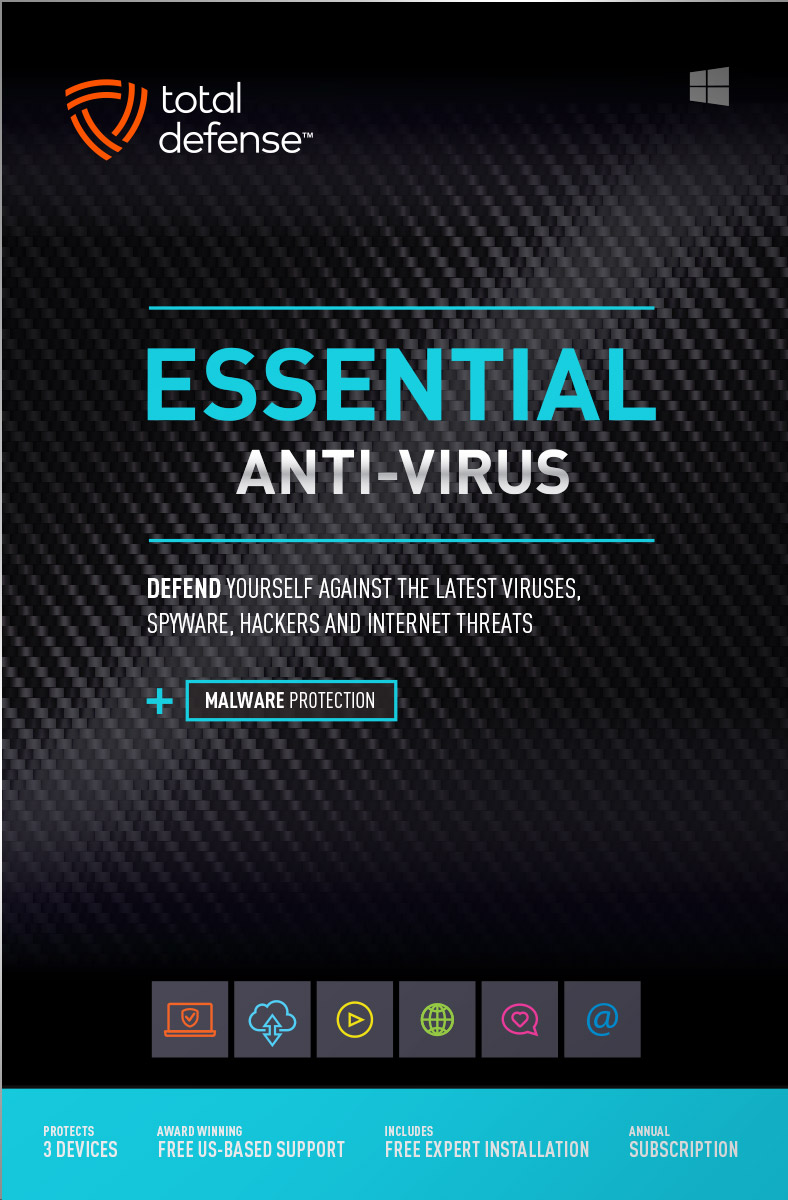
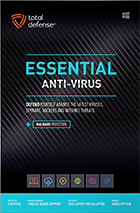
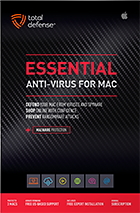
Essential Anti-Virus
Anti-Virus security ensures you’re totally covered keeping your devices safe from malware, spyware, ransomware, and harmful viruses.
Award winning internet security software
Powerful virus detection that doesn’t slow you down.
Learn more about our highly rated malware protection or get started today with a free 30-day trial of Total Defense Internet Security, with no obligation to buy.
Free Trial Download
AV Comparatives Advanced Plus

AV Comparatives Advanced Plus

VB100 Certified

AV Comparatives Advanced Plus

OPSWAT Certified

AV Comparatives Advanced Plus
We will keep you virus-free guaranteed
An exclusive automatic renewal service benefit.
When you choose Total Defense, you’re safeguarded with award-winning, multi-layered virus protection technology. Our powerful security lets you confidently shop, bank and browse online. In fact, we’re so certain we can protect you, if you’re running a Total Defense Security Product and a virus slips past our powerful protection, our expert technology advisors will remove the virus from your device for free. In the unlikely event the virus can’t be removed, we will give you your money back.
»Important terms and offer detailsWe’ve Got You Covered
Over 20 years of Dedication
We are committed to your cybersecurity, from installing the software effectively to helping recovery in the event of a breach.
Advanced Threat Protection
A good offense is the best defense! Real-time and on-demand malware scanning engines provide powerful proactive protection.
Award Winning Security
Powerful protection, securing all entry points, wherever you are, whatever type of device you’re using to access the internet.
Customer Commitment
Our US-based support team is focused on keeping you and your family safe in the ever changing connected world.
Why Total Defense Internet Security >Defend the Defenseless
Total Defense has been a proud supporter of the National Center for Missing & Exploited Children for over 15 years.
Total defense has supported NCMEC in it’s mission to help find missing children, reduce child sexual exploitation and prevent child victimization. We provide quarterly monitary support for NCMEC’s efforts to provide important programs that assist missing and exploited children nationwide.
To learn more about NCMEC, visit www.missingkids.org or see NCMEC on Twitter and Facebook.

Rated #1 anti-virus software company on ConsumerAffairs.com
Over 2,000 customer reviews
We always strive to create the best customer service experience and our customers agree. Total customer satisfaction is our ultimate goal.
Read reviews from our customers>

Total Defense
Internet Security and Safety Center
Helpful tips and articles with practical steps you can follow to improve your online safety

Total Defense Security Tip of the Day
10.26.26
How to choose secure smart home devices and avoid risky IoT vendors
A cheap streaming box, smart camera or connected doorbell can look like an easy upgrade. But every device you connect to Wi-Fi adds software, accounts and data flows to your home network. If the vendor cuts corners—or disappears after the sale—you may inherit weak passwords, hidden software, invasive data collection or vulnerabilities that never receive a patch.
Price and features matter, but security support should be part of the buying decision. Research the company before the product reaches your network, especially when the device has a camera, microphone, location access or control over a door, alarm or appliance.
Why are smart devices from unknown brands risky?
An unproven vendor may use generic hardware and outsourced software without clearly identifying who maintains either one. Some products depend on an unfamiliar cloud service or require apps from unofficial marketplaces. Others ship with hard-coded credentials, outdated components or no practical way to install security updates.
The danger is not hypothetical. The FBI warned that the BADBOX 2.0 botnet consisted of millions of infected devices, including streaming products, projectors, vehicle infotainment systems and digital picture frames. The agency said devices could arrive with malicious software or become infected during setup through backdoored apps.
A compromised gadget may let criminals route activity through your home connection, spy through sensors, steal account credentials or probe other devices. You may not notice because the product can continue performing its advertised function.
How can you tell whether an IoT vendor is trustworthy?
Do not rely only on star ratings or a polished product page. Look for evidence that the company can support the product throughout its useful life:
- Clear identity: The manufacturer lists a real company name, support site, privacy contact and physical business information.
- Published support period: The vendor states how long it will provide firmware and security updates.
- Automatic updates: The product can receive signed updates without requiring downloads from random links or forums.
- Security reporting: Researchers and customers have a documented way to report vulnerabilities.
- Account protection: The service supports unique passwords, multifactor authentication and alerts for new logins.
- Transparent data practices: The privacy policy explains what the device collects, where data goes, how long it stays and how to delete it.
Support transparency is often missing. An FTC survey found that nearly 89% of smart products reviewed did not disclose on their websites how long they would receive software updates. If the seller cannot answer that basic question, assume the product may become unsupported sooner than you expect.
What should you check before buying a connected device?
- Search the exact brand and model. Add terms such as “security,” “vulnerability,” “privacy,” “breach,” “firmware” and “end of support.”
- Read critical reviews. Look for complaints about forced cloud accounts, broken updates, unexplained traffic, abandoned apps or customer support that never responds.
- Check the app source. Confirm that the companion app comes from the official Apple or Google store and matches the named manufacturer.
- Review permissions. A light bulb should not need your contacts; a streaming box should not ask you to disable built-in security.
- Confirm the update path. Find the current firmware version, update instructions and promised support period before purchase.
- Look for independent security information. Check for testing, certifications and a history of fixing reported flaws—not vague claims such as “military-grade security.”
- Plan for retirement. Learn how to delete cloud data, factory-reset the device and remove it from your account before disposal.
Can the U.S. Cyber Trust Mark help?
For eligible wireless consumer products, the voluntary FCC U.S. Cyber Trust Mark program is designed to identify products that meet baseline cybersecurity standards. Its QR code can link to details such as the support period and whether security updates are automatic. A label does not eliminate every risk, but it gives you stronger evidence than an unsupported marketing promise.
NIST’s consumer IoT cybersecurity baseline also highlights capabilities commonly needed across the whole product—not only the physical gadget, but also its app, cloud service and communications.
How should you secure a new IoT device?
Even a reputable product needs a safe setup. The FTC recommends changing default credentials, enabling two-factor authentication, installing updates and disabling features you do not use.
- Update the device and companion app before normal use.
- Create a long, unique password and enable MFA when available.
- Place smart devices on a guest or separate IoT network if your router supports it.
- Disable remote access, microphones, cameras and integrations you do not need.
- Review connected devices and firmware monthly.
- Disconnect anything that behaves strangely or no longer receives updates.
Choosing a proven vendor reduces the chance that an unknown company’s shortcuts become a permanent opening into your home. Clear support, trustworthy updates and transparent data practices give you a way to fix flaws, control information and retire the product safely.
Before your next smart-device purchase, spend ten minutes researching the model and manufacturer. If you cannot verify who supports it, how it updates and what data it collects, leave it out of your cart—and off your network.

How to protect your devices, passwords, and online accounts while traveling
Questions? Our friendly award winning US-based support team is happy to help and it’s free.
1-877-906-8816 Weekdays 9am – 5pm, Eastern Time USA


60 Day Money Back Guarantee

Money Back Guarantee Program
Total Defense is committed to helping you with your refund. If our product does not meet your expectations for any reason, we will provide a full refund within 60 days of your purchase.
Virus Protection Assurance Program

Virus Protection Assurance Program
An exclusive benefit for customers enrolled in the Automatic Renewal Service.
When you choose Total Defense, you’re safeguarded with award-winning, multi-layered virus protection technology. Our powerful security lets you confidently shop, bank and browse online. In fact, we’re so certain we can protect you, if you’re running a Total Defense Security Product and a virus slips past our powerful protection, our expert technology advisors will remove the virus from your device for free. In the unlikely event the virus can’t be removed, we will give you your money back.
»Important terms and offer detailsFree US-Based Support Team
Need Assistance?
US-Based Support • Weekdays 9am – 5pm, Eastern Time USA
Technical Support
Call 1-866-305-7989
or Email
Free technical support includes:
- Download and installation
- Activation and configuration
- Removal of conflicting AV software
- Updates and upgrades
Customer Care
Call 1-877-906-8816
or Email
Customer care assists with:
- Sales and orders
- Account information
- Renewals
- Refunds
- Rebates
- Billing Inquiries
The VB100 Award
VB100 Certification
The VB100 award is a certification of products which meet the basic standards required to be recognized as legitimate and properly functioning anti-malware solutions.
To display a VB100 logo, a product must:- Prove it can detect 100% of malware samples listed as ‘In the Wild’ by the WildList Organization
- Generate no false positives when scanning an extensive test set of clean samples.
- All this must be done with default, out-of-the-box settings in the VB lab environment.